Ad creative
Graphic, reel or AI UGC ad? How I pick the creative
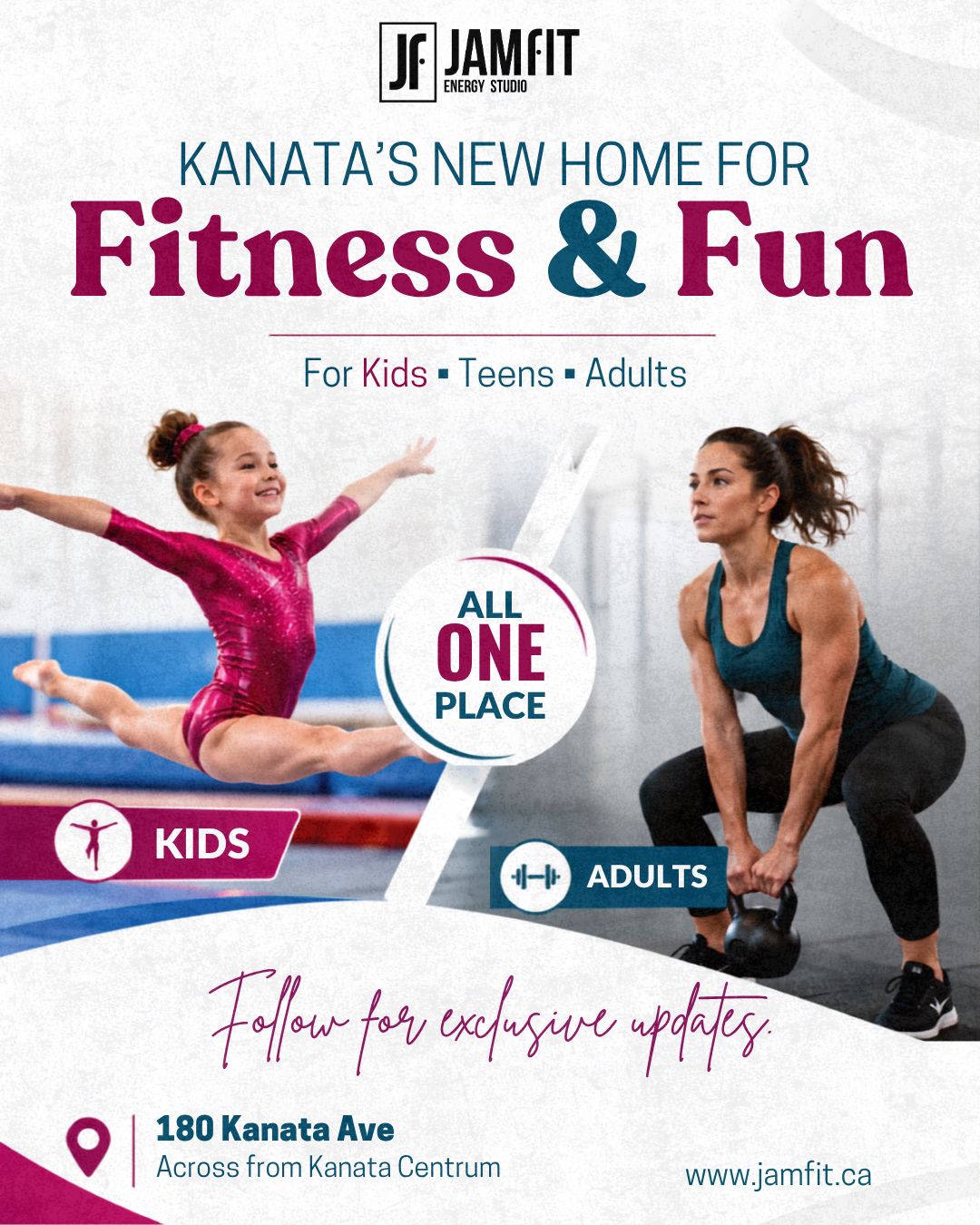
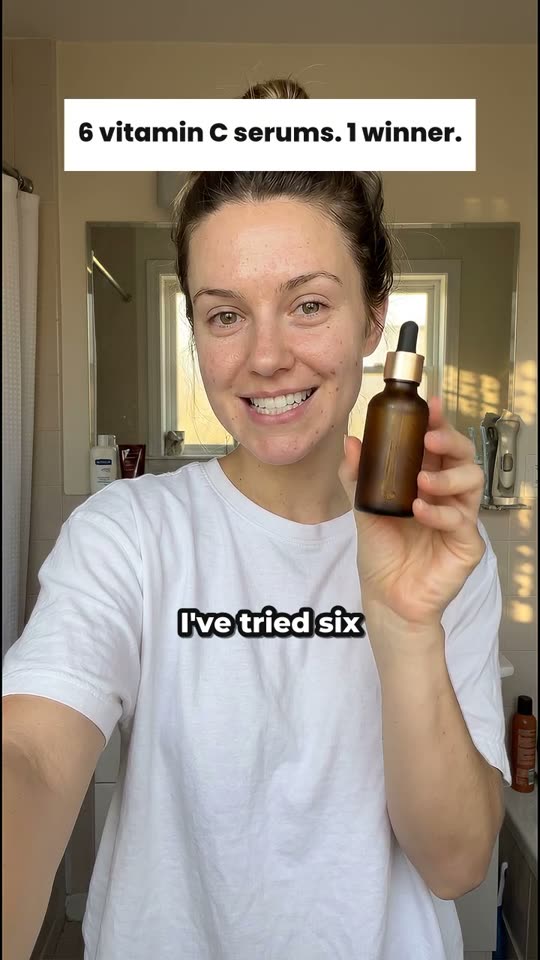
Almost every campaign starts with the same question: what should the ad look like? My answer depends on one thing. What does the buyer need to believe before they click?
Start with the job the ad has to do
An ad usually has one of three jobs. It explains the offer, it shows the brand, or it builds trust. Each job has a format that does it best. When I know the job, the format almost picks itself.
When I use a graphic
A static graphic is the fastest way to explain a clear offer: a price, a discount, a date, an event or a free consultation. People take it in at a glance, so it works well for retargeting people who already know you.
- One message per graphic. If it needs two, it needs two graphics.
- Text big enough to read on a phone without zooming.
- Your brand colours and fonts, so the ad and the landing page feel like the same business.
- One call to action that matches the button on the page.
Graphics are also cheap to test. I can change only the headline, run both versions, and see which one people answer.
When I use a reel
A reel is better when the product or service needs to be seen in motion, or when the person behind the business is the reason to buy. A coach, a clinic, a home service or a restaurant often sells better on video than on a flyer.
- The first two seconds carry the whole video. I open with the problem or the result, not the logo.
- Captions on every line, because many people watch with the sound off.
- Short and tight. If a scene does not move the story forward, I cut it.
When I use an AI UGC ad
UGC means user-generated content: the casual, talking-to-the-camera style people trust on TikTok and Reels. It works well for skincare, supplements, home gadgets and other products people like to see in someone's hands.
AI lets me build UGC-style ads quickly, so a brand can test hooks and angles before paying for a full shoot. Two rules I always keep:
- No fake reviews. The ad shows the product and the benefit. It does not pretend to be a real customer's story.
- Follow the platform's rules on AI content and claims, especially for health and beauty products.
When an angle wins, the next step is real content from real customers, built on the same hook.
How I test them
I keep the audience and the budget the same and change one thing at a time: the format, the hook or the headline. Then I let each version run long enough to collect real data before I pick a winner. The winner gets new versions, and the test starts again.
The short version
A graphic for the offer, a reel for the brand, and a UGC-style ad for the trust angle. Then test, because the audience decides, not me.